The Masters is here. The World Cup is on the horizon.
Big stages. Big pressure. Big moments.
And if you look closely, you’ll see something powerful:
Success leaves clues.
Not luck. Not guesswork. Not hype.
Clues.
Patterns of behaviour, mindset and execution that show up again and again in the world’s best performers.
At Therapycise – The Authority on the Mental Game, we study these clues relentlessly and turn them into systems, routines and frameworks that our athletes can actually apply.
Let’s break down some of the biggest lessons from world sport.
1. Overcoming Adversity – The Comeback Mindset
Every major tournament gives us this story.
The athlete who:
Starts poorly
Faces setbacks
Gets written off
…and then responds.
Think about golf at The Masters.
One bad hole. One mistake. One moment.
That’s all it takes to derail a round.
Yet the best players reset instantly.
They don’t carry the mistake. They don’t spiral. They don’t lose composure.
They execute the next shot.
Clue: Elite performers don’t avoid adversity. They respond to it better than everyone else.
How we train this at Therapycise:
Reactive routines (from the 4 Point Protocol)
Emotional regulation strategies
Reset frameworks
Because in performance:
It’s not the mistake that costs you. It’s your response to it.
2. The Underdog Effect – Belief Changes Everything
Every World Cup produces underdog stories.
Teams that:
“Shouldn’t be there”
“Aren’t expected to win”
“Don’t have the biggest names”
Yet they perform.
Why?
Because belief shifts behaviour.
Underdogs often:
Play with freedom
Take more risks
Stay present
Commit fully
While favourites can become:
Tense
Outcome-focused
Fear-driven
Clue: Performance improves when athletes are free to execute, not afraid to fail.
How we train this:
Identity-led confidence
Now ownership (WINNING Framework)
Process over outcome thinking
Because confidence isn’t given.
It’s built through consistent mental training.
3. High Standards – Discipline Over Emotion
Look at the athletes who dominate year after year.
They are not the most motivated.
They are the most disciplined.
At The Masters, preparation is everything:
Course management
Shot selection
Routine execution
There is no winging it.
Just high standards applied consistently.
Clue: Elite performers don’t rise to motivation. They fall back on standards and systems.
How we train this:
M.A.S.T.E.R.Y Model
Structured daily routines
Environment design
Because standards create:
Consistency → Confidence → Results
4. Leadership – Composure Under Pressure
World Cup winning teams always have leaders.
Not just loud voices.
But composed operators who:
Stay calm under pressure
Communicate clearly
Lead by example
Make smart decisions
When pressure rises, everyone else looks to them.
Clue: Leadership is emotional control in action.
How we train this:
State of mind management
Decision-making frameworks
Energy regulation
Because leadership isn’t a title.
It’s a behaviour.
5. Teamwork – Collective Mental Strength
No team wins a World Cup alone.
It’s never just talent.
It’s cohesion.
Trust
Communication
Shared standards
Collective belief
The best teams don’t just have good individuals.
They have a strong mental environment.
Clue: Environment shapes behaviour.
How we train this:
Team workshops
Shared routines
Collective standards
Accountability systems
Because when the environment is strong:
Performance follows.
The Therapycise Edge
At Therapycise, we don’t just admire these moments.
We reverse engineer them.
We take the clues from world sport and build them into:
The 4 Point Protocol
The M.A.S.T.E.R.Y Model
The WINNING Framework
So our athletes don’t just watch elite performance…
They train for it.
Why This Matters for You
Right now, across sport, business and education…
There are performers who are:
Training their mental game
Building routines
Developing discipline
Upgrading their identity
And there are those who are not.
Guess who is pulling ahead?
Your Next Move
Don’t just watch The Masters. Don’t just watch the World Cup.
Push harder. Train more. Do more reps. Stay switched on. Chase performance.
Fire. Drive. Effort. Motivation. Enthusiasm.
But here’s the problem…
Very few athletes are trained in SLOW SLOW SLOW.
And that’s exactly why performance becomes inconsistent.
The Two Systems That Control Your Performance
Your body and brain operate on two key systems:
Sympathetic Nervous System (SNS) → GO GO GO
Parasympathetic Nervous System (PNS) → SLOW SLOW SLOW
The SNS is your performance engine:
Energy
Focus
Reaction speed
Competitive drive
The PNS is your recovery system:
Restoration
Sleep quality
Emotional regulation
Long-term performance
According to neuroscience and performance research, elite athletes are not just good at activating… they are exceptional at recovering.
If you only train GO GO GO…
You burn out. You lose clarity. You become reactive. You underperform when it matters.
Why Most Athletes Get This Wrong
Because “working harder” feels productive.
Recovery feels passive.
It isn’t.
Recovery is performance preparation.
Studies in sports science consistently show that structured recovery protocols improve cognitive function, reduce injury risk and enhance performance consistency.
In simple terms:
If you don’t master SLOW SLOW SLOW… your GO GO GO will break.
What Winning Athletes Do Differently
At Therapycise – The Authority on the Mental Game, we train both systems.
Not occasionally.
Weekly. Deliberately. Systematically.
Because real performance comes from the balance.
We build athletes who can:
Switch ON when it’s time to perform
Switch OFF when it’s time to recover
Regulate emotions under pressure
Maintain energy across the week
Execute consistently
This is where most athletes are leaving performance on the table.
How We Train This at Therapycise
Inside our programmes and live sessions, we actively develop both circuits.
GO GO GO Training
Performance routines
Focus and intensity work
Competitive mindset
Energy activation
Execution under pressure
SLOW SLOW SLOW Training
Breathwork and nervous system regulation
Reflection and reset protocols
Recovery routines
Mental decompression
Sleep and restoration habits
This is not guesswork.
This is mental performance architecture.
The Weekly Upgrade System
Our athletes don’t drift.
They train weekly to upgrade their:
Energy
Focus
Recovery
Emotional control
Performance routines
Through our:
4 Point Protocol
M.A.S.T.E.R.Y Model
WINNING Framework
We create athletes who are:
Switched on when needed. Switched off when required. And consistent at all times.
It requires honesty. It requires consistency. It requires you to look at the habits, routines and behaviours that are either driving you forward… or holding you back.
But here’s the flip side:
When you commit to it properly, everything changes.
At Therapycise – The Authority on the Mental Game, we see it every single day.
Athletes who move from inconsistent to composed. Professionals who go from reactive to in control. Students who shift from overwhelmed to focused and clear.
Not because of motivation.
Because of structure.
Why a Mental Game Professional Changes Everything
Most performers try to figure things out on their own.
They rely on:
Hope
Occasional motivation
Random advice
Short-term bursts of discipline
The problem?
There’s no system.
And without a system, performance is inconsistent.
A mental game professional brings:
Clarity – What actually matters for your performance
Structure – How to train it daily
Accountability – Ensuring it gets done
Frameworks – Proven systems that drive results
This is where performance stops being reactive… and becomes intentional.
The Therapycise System: Built for Real Performance
We don’t do guesswork.
We build mental performance systems that athletes can apply daily across sport, corporate and academic environments.
Here’s what that looks like.
1. The 4 Point Protocol
This is your daily performance structure.
Morning Routine – Set the tone, control your state, start with intent
Proactive Routine – Plan your day, prioritise what matters, execute with clarity
Reactive Routine – Handle pressure, setbacks and challenges effectively
Evening Routine – Reflect, reset, recover and prepare for the next day
Simple.
But powerful when executed consistently.
Because how you structure your day… determines how you perform.
2. The M.A.S.T.E.R.Y Model
This is your holistic performance system.
Morning routines
Acknowledge diet is key
State of mind
Training with intention
Environment design
Rest and recovery
YOU factor
This is where mental performance meets lifestyle.
Because you cannot separate:
Energy from performance
Recovery from consistency
Environment from behaviour
The best performers don’t leave these to chance.
They engineer them.
3. The WINNING Framework
This is how we build identity-led performance.
Work the work
Intentional practice
Now ownership
Normalise success
Identity-led behaviours
Notice and savour wins
Generate energy
This is where athletes stop thinking like amateurs… and start behaving like professionals.
Because performance is not what you do occasionally.
It’s who you become consistently.
What Happens When You Apply This Properly?
Here’s the reality.
Our athletes trust the process.
They commit to the work.
And funny old thing…
They start dominating.
Sporting athletes perform under pressure
Corporate athletes lead with clarity and confidence
Scholar athletes execute with focus and discipline
This is not luck.
This is not coincidence.
This is structured mental performance training.
The Truth Most People Avoid
Mental game work is not:
Quick fixes
One-off sessions
Motivational hype
It is:
Daily reps
Honest reflection
Consistent execution
Identity-led discipline
But when you get it right?
The return on investment is enormous.
Better decisions. Stronger routines. Higher confidence. More consistent results.
Your Next Step
If you are serious about improving your performance, ask yourself:
Are you currently training your mental game… or just hoping it improves?
Because hope is not a strategy.
Structure is.
Start With the Foundation
If you want to understand how to build your mental game properly, start here:
The Top 3 Mental Game Focus Areas Athletes Are Training Right Now (2026 Research Backed)
If you want to win consistently in modern sport, here’s the truth:
It’s no longer just about physical preparation.
The athletes pulling ahead right now are doubling down on mental performance training.
Not guessing. Not hoping. Training it deliberately.
Recent 2026 sport psychology research highlights three clear areas that are separating high performers from the rest.
At Therapycise – The Authority on the Mental Game, these are not trends.
They are core pillars of our frameworks, our client syllabus and the Therapycise Collective.
1. Sustained Attention & Focus Under Pressure
A 2026 study in Frontiers in Sports & Active Living explored how athletes manage sustained attention and focus variability during performance.
The key takeaway?
Elite athletes don’t just “focus harder.” They train their ability to maintain and regain attention under pressure.
Focus is not fixed. It fluctuates.
Top performers learn how to:
Reset quickly after mistakes
Stay locked in during key moments
Control distractions
This is exactly why at Therapycise we build:
Pre-performance routines
In-performance reset strategies
Focus anchors
Because focus wins moments.
2. Intrinsic Motivation & Psychological Safety
A 2026 study published in Nature Scientific Reports found that low intrinsic motivation significantly increases anxiety, burnout and performance drop-off in athletes.
Even more powerful?
When psychological safety and wellbeing are high, those negative effects are reduced.
In simple terms:
Motivation drives performance
Environment protects performance
Wellbeing sustains performance
At Therapycise, this shows up through:
Identity-led discipline
Purpose-driven routines
Supportive performance environments
Inside the Therapycise Collective, we actively build this through:
Daily behavioural nudges
Community interaction
Consistent performance accountability
Because motivation isn’t something you wait for.
It’s something you engineer.
3. Identity, Cohesion & Performance Environment
Research from Psychology of Sport and Exercise (2026) highlights the growing importance of identity, team cohesion and environment in performance outcomes.
High performers don’t just train skills.
They train who they are.
They build:
Identity-led habits
Strong performance environments
Clear roles and expectations
This aligns perfectly with our philosophy:
You don’t rise to the level of your goals. You fall to the level of your systems and identity.
That’s why we focus heavily on:
Identity-led discipline
Environment design
Routine-based execution
Because behaviour follows identity.
What This Means for You
If you’re an athlete right now and you’re not actively training:
Focus
Motivation
Identity
Then you are leaving performance on the table.
This is where the gap appears.
The gap between:
Current performance vs potential performance
And that gap?
That’s the mental game.
Where Therapycise Comes In
At Therapycise, we don’t guess.
We build systems based on:
Performance psychology
Behavioural science
Real-world application
We work with:
Sporting athletes
Corporate athletes
Scholar athletes
And we train these exact areas through:
1-to-1 coaching
Workshops
Online systems
The Therapycise Collective
Inside the Collective, athletes are exposed to:
Daily performance nudges
Mental game challenges
Proven frameworks
Consistent structure
Because small daily reps create elite performers.
Your Action Today
Ask yourself:
Which of these 3 areas is currently your weakest?
Focus?
Motivation?
Identity?
Pick one.
Train it deliberately this week.
Because hope is not a strategy.
Training is.
Start With the Foundation
If you want to understand how to build your mental game properly, start here:
At Therapycise, we don’t just talk about mindset, resilience and high performance.
We live it.
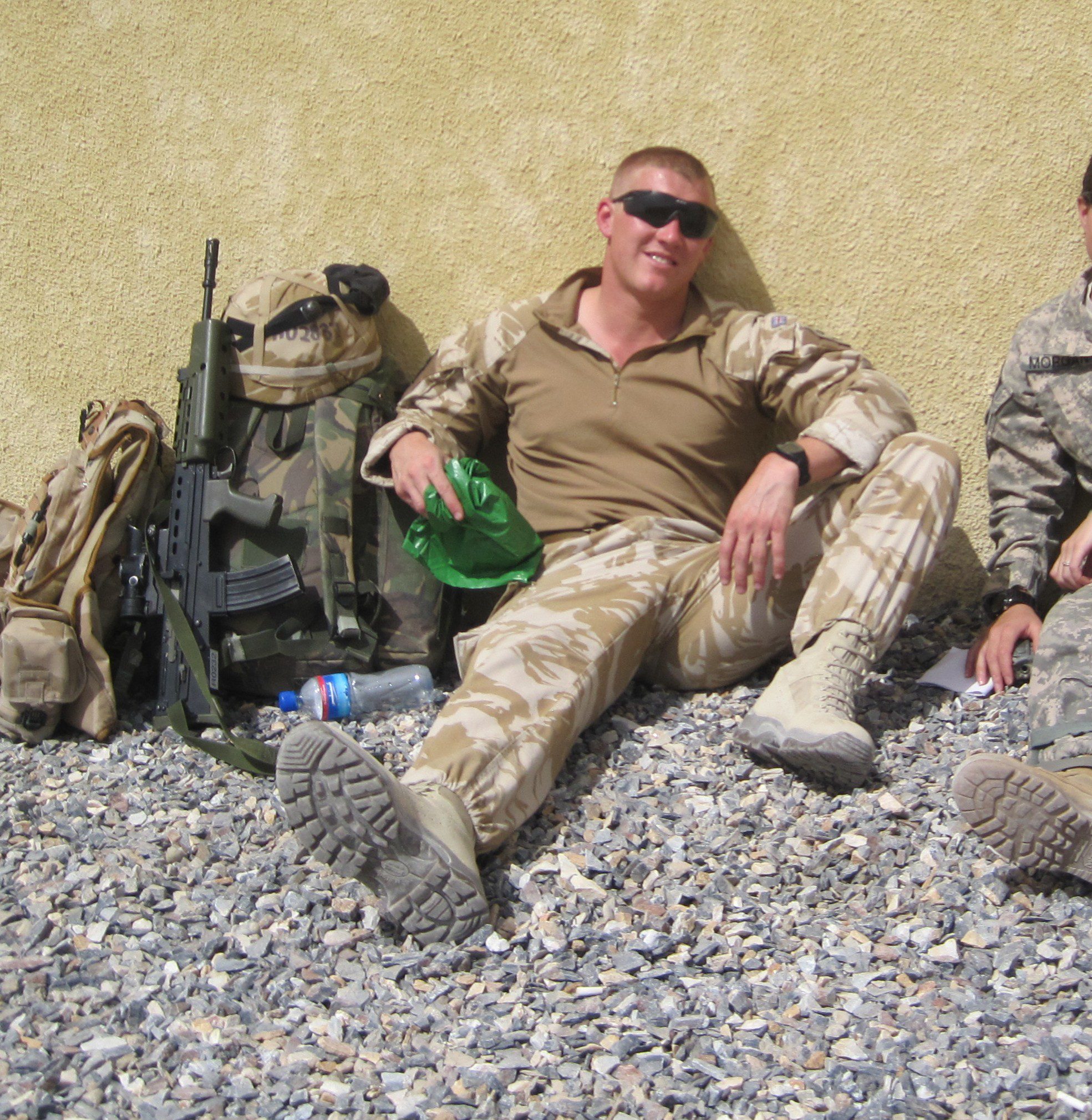
And at the centre of it all is our founder and Chief Inspiration Officer, Chris Hunt.
Chris isn’t someone who simply studied performance psychology from the sidelines. His life has been built in the arena — under pressure, in high-stakes environments, where mental strength isn’t a theory… it’s survival.
Chris is a Royal Marines Commando, a mental performance psychologist, a husband, a father, and a lifelong challenge enthusiast who believes deeply in one simple philosophy:
You don’t drift into excellence. You train for it.
A Royal Marines Mindset
When our athletes discover they are working with a Royal Marines Commando, something clicks immediately.
The Royal Marines are globally recognised for producing some of the most mentally resilient operators on the planet. Discipline, composure under pressure, courage in adversity and relentless forward momentum are non-negotiables.
That same mentality runs through everything we do at Therapycise.
Our community knows they’re not learning mental skills from someone who has merely read about resilience — they’re learning from someone who has lived it in demanding environments where mindset truly matters.
And that gives our athletes a serious edge.
Living the Mental Game
Chris is obsessed with the mental game of life.
Not just in sport. Not just in performance. But in how we show up every single day.
That means constantly working on:
Clarity
Confidence
Composure
Courage
Creativity
The famous Therapycise 5C’s of Mental Strength.
It means building systems, habits and protocols that allow people to operate at their best when it matters most.
It means helping people stop hoping for confidence… and start training it.
Because the truth is simple:
Your mind can be your greatest weapon or your biggest obstacle.
At Therapycise, we train it like a muscle.
Working With Sporting Athletes, Scholar Athletes and Corporate Athletes
One of the unique advantages of Therapycise is the diversity of people we support.
We work with three powerful groups:
Sporting Athletes Competitors striving to perform under pressure and win when it counts.
Scholar Athletes Young performers balancing academic performance with sporting ambition.
Corporate Athletes High performers in demanding professional environments who want more energy, clarity and resilience.
Chris brings the same philosophy to all three.
High performance is high performance.
Whether you’re stepping onto a rugby pitch, into an exam hall, or into a boardroom presentation — the mental game decides what happens next.
Parents Love It Too
Parents of our younger athletes often tell us something interesting.
They love knowing their children are learning mental skills from someone who represents discipline, integrity, service and leadership.
Chris brings the perspective of:
A Royal Marines leader
A father
A coach who genuinely cares about long-term development
It’s not about quick wins.
It’s about building strong, capable humans who can thrive in life.
Access to the Real Thing
When you join the Therapycise Collective, you’re not just consuming generic mindset content.
You get direct access to Chris.
The live calls. The frameworks. The mental performance tools. The mindset systems.
All built to help you:
Think better. Perform better. Live better.
Because when you strengthen the mind, everything else starts to move.
This Is What Therapycise Is All About
At Therapycise we believe something very simple:
The Mental Game Is Trainable.
And when you train it deliberately, amazing things start to happen.
More confidence. More clarity. More composure. More courage. More creativity.
Better decisions.
Better performance.
Better life.
That’s why Chris created Therapycise.
To give people the tools to smash life as a sporting athlete, a scholar athlete or a corporate athlete.
If you want to understand the philosophy that underpins everything we do at Therapycise, there is one post you should start with.
In the modern performance world, there is a lot of advice about niching down.
Pick one audience. Serve one type of client. Stay in one lane.
For many businesses that advice works well.
But when it comes to the mental game, something interesting happens.
The principles of elite performance are remarkably consistent across environments.
Pressure is pressure. Focus is focus. Confidence is confidence. Execution is execution.
That’s why at Therapycise – The Authority on the Mental Game, we deliberately work with three types of performers:
Sporting Athletes
Scholar Athletes
Corporate Athletes
And this combination gives us a powerful unfair advantage when it comes to helping people perform at their best.
Performance Principles Are Universal
Whether someone is stepping onto a pitch, walking into an exam hall, or presenting to a boardroom, the underlying mental skills are strikingly similar.
Every performer must manage:
Pressure
Confidence
Focus
Emotional regulation
Preparation routines
Decision-making
Resilience after setbacks
The context may change.
But the psychology remains.
This is why research in sport psychology, performance psychology and behavioural science consistently shows that skills like goal setting, self-regulation, mental rehearsal and attentional control translate across multiple performance environments.
The brain does not care whether the pressure comes from:
a championship final
a university exam
a high-stakes business meeting
It responds to training and preparation.
The Therapycise Advantage: Cross-Performance Learning
Most professionals in the mindset or coaching industry follow the “niche, niche, niche” philosophy.
They work only with athletes.
Or only with executives.
Or only with students.
There is nothing wrong with that.
But it also means they only see one performance environment.
At Therapycise, we see three.
That means we constantly observe:
Different types of pressure
Different decision-making environments
Different behavioural patterns
Different motivation drivers
Different performance barriers
And this gives us an incredible perspective.
We see what works.
We see what fails.
And we see patterns that others simply cannot see.
Sporting Athletes: Pressure and Execution
Athletes bring a unique intensity to performance.
Competition environments demand:
composure under pressure
rapid decision-making
emotional control
consistent preparation routines
Sport exposes mental strengths and weaknesses very quickly.
A missed shot, a lost race, a dropped catch – the feedback is immediate.
Working with sporting athletes sharpens our understanding of pressure performance and execution.
Those lessons transfer directly into other arenas.
Scholar Athletes: Focus and Cognitive Performance
Students and scholar athletes bring a different kind of performance challenge.
They must master:
deep concentration
information processing
memory retention
exam pressure management
long-term discipline
Academic environments highlight the importance of sustained attention and mental endurance.
Helping scholar athletes develop these skills strengthens our understanding of cognitive performance.
And those insights translate beautifully into sport and business environments.
Corporate Athletes: Decision-Making and Leadership
Corporate athletes operate in environments where pressure is constant but often less visible.
Boardroom decisions. Leadership challenges. Strategic thinking. Energy management across long working weeks.
Performance here relies heavily on:
clarity of thinking
emotional intelligence
energy management
decision-making under uncertainty
These insights strengthen our understanding of professional performance under pressure.
And again, those lessons feed back into sport and academic environments.
Why This Range Creates an Unfair Advantage
When you work across three performance arenas, something powerful happens.
Patterns begin to appear.
You notice:
Which routines consistently create confidence
Which behaviours improve focus
Which strategies help people recover from setbacks
Which environments produce the strongest mental resilience
Over time, these insights build a deep mental performance framework.
That’s where systems like the Therapycise M.A.S.T.E.R.Y Model and the WINNING Framework come from.
They are built from observing real performers in real environments, not just theory.
The Therapycise Philosophy
At Therapycise we believe something simple but powerful:
If you perform under pressure, you are an athlete.
That might mean:
a sporting athlete competing on the field
a scholar athlete sitting exams
a corporate athlete leading teams or making decisions
Different environments.
Same mental game.
That belief allows us to build systems that improve:
confidence
focus
clarity
composure
creativity
The 5 C’s of Mental Strength.
Why This Matters for Our Clients
Because we see such a wide range of performers, our clients benefit from insights drawn from multiple performance worlds.
A corporate athlete may learn preparation routines from sport.
A scholar athlete may adopt focus strategies used by executives.
A sporting athlete may benefit from cognitive techniques used by high-performing students.
This cross-pollination of ideas creates powerful mental performance upgrades.
It’s one of the reasons Therapycise continues to grow across sport, education and professional performance environments.
The Bigger Picture
The mental game is no longer optional.
Whether someone is chasing sporting success, academic excellence or professional impact, mental performance training is becoming a competitive advantage.
And the more environments you study, the more powerful your understanding becomes.
At Therapycise, our niche is not narrowing down.
Our niche is seeing the full performance spectrum.
That perspective allows us to help clients build stronger routines, clearer thinking and more consistent execution.
Start With Our Pillar Post
If you want to understand the foundations of the mental game and how to train it properly, start with our most important article:
The First Post You Should Read If You Want to Be the Best Athlete You Can Possibly Be Mentally
You drive them to training. You support them on the sidelines. You celebrate the wins and help them through the tough days.
But here’s the truth most people in youth sport overlook:
Talent develops the body. Mental game training develops the athlete.
At Therapycise – The Authority on the Mental Game, we work with sporting athletes, corporate athletes and scholar athletes. When it comes to young people, the opportunity is enormous.
Young athletes who learn mental performance skills early build habits, routines and mindsets that stay with them for life.
This isn’t motivational talk. It’s performance psychology, behavioural science and practical systems that help young people execute when it matters.
And the research is clear.
Studies within sport psychology and performance science consistently show that athletes who train psychological skills such as goal setting, emotional regulation, focus and self-confidence perform more consistently and handle pressure far better than those who do not (Weinberg & Gould, 2019; Birrer & Morgan, 2010).
In other words:
Mental game training is a competitive advantage.
Why the Mental Game Matters for Young Athletes
Young athletes face enormous pressure today.
Competition. Selection. Academics. Social comparison. Performance expectations.
Without the right mental tools, even talented athletes can struggle.
At Therapycise we help young athletes build the skills that sit underneath performance:
Confidence
Focus
Composure
Clarity
Creativity
These are the foundations of our 5 C’s of Mental Strength.
When these skills are developed early, something powerful happens.
Young athletes stop hoping they perform well… and start training their minds to perform well.
5 Benefits of Working With Therapycise
Parents who invest in their child’s mental performance development see powerful benefits.
1. Confidence Built on Evidence
We help young athletes develop real confidence, built from routines, preparation and self-belief.
Confidence is not something you simply hope appears on game day. It’s something you train deliberately.
2. Better Focus and Concentration
Young athletes are surrounded by distractions.
Phones. Social media. Pressure. Expectations.
Our systems help them develop intentional focus, allowing them to stay present and perform when it matters most.
3. Resilience When Things Go Wrong
Sport guarantees setbacks.
Selections missed. Injuries. Mistakes in competition.
Mental performance training teaches athletes how to reset quickly and respond positively instead of spiralling emotionally.
4. Stronger Routines and Habits
We teach athletes how to build winning routines through frameworks like the M.A.S.T.E.R.Y Model, helping them manage:
Morning routines
Nutrition awareness
State of mind
Training behaviours
Environment
Rest and recovery
The YOU factor
Young athletes who learn routine management early gain an enormous advantage.
5. Long-Term Performance and Personal Development
Mental game training doesn’t just help sport.
It helps school, relationships, leadership and life decisions.
Young athletes learn how to:
Take ownership
Set meaningful goals
Manage pressure
Build identity-led discipline
These are life skills.
The Risk of Ignoring the Mental Game
Many young athletes train their body relentlessly, while the mind gets ignored.
That creates problems.
Here are five common issues when the mental game is not developed early.
1. Talent Without Consistency
Athletes perform brilliantly in training but struggle under pressure in competition.
The missing piece is mental execution.
2. Confidence That Fluctuates Constantly
Confidence becomes dependent on recent results, rather than internal belief.
One mistake can derail an entire performance.
3. Poor Emotional Regulation
Young athletes can struggle with frustration, nerves, and pressure.
Without mental training, emotions begin to control performance.
4. Burnout and Loss of Enjoyment
Athletes who lack mental coping tools often experience stress and burnout.
Performance becomes heavy rather than enjoyable.
5. Missed Potential
The biggest risk of ignoring the mental game?
Potential left unrealised.
The difference between good and great is rarely physical.
It is almost always psychological execution.
The Therapycise Approach
At Therapycise, we treat young performers like athletes.
We combine:
Performance psychology
Behavioural science
Structured frameworks
Practical mental training tools
Our work happens through:
1-to-1 mental performance coaching
Group sessions and workshops
Online and in-person development programmes
The Therapycise Collective performance community
We work with sporting athletes, corporate athletes and scholar athletes, helping them train their minds just as seriously as they train their bodies.
Parents often tell us the same thing after their child starts working with us:
“We wish we had started this earlier.”
If Your Child Has Potential, Protect It
If your child loves their sport…
If they have ambition…
If you know they have more to give…
Then helping them develop their mental game early may be one of the most valuable decisions you ever make.
The mind controls performance.
And performance improves when the mind is trained deliberately.
Start With This Must-Read Resource
If you are serious about helping your child develop the strongest possible mental game, start here:
The First Post You Should Read If You Want To Be The Best Athlete You Can Possibly Be Mentally
This pillar post explains the foundations of mental performance training and why it matters for athletes at every stage of their journey.
Every parent wants the best for their child.
You drive them to training. You support them on the sidelines. You celebrate the wins and help them through the tough days.
But here’s the truth most people in youth sport overlook:
Talent develops the body. Mental game training develops the athlete.
At Therapycise – The Authority on the Mental Game, we work with sporting athletes, corporate athletes and scholar athletes. When it comes to young people, the opportunity is enormous.
Young athletes who learn mental performance skills early build habits, routines and mindsets that stay with them for life.
This isn’t motivational talk. It’s performance psychology, behavioural science and practical systems that help young people execute when it matters.
And the research is clear.
Studies within sport psychology and performance science consistently show that athletes who train psychological skills such as goal setting, emotional regulation, focus and self-confidence perform more consistently and handle pressure far better than those who do not (Weinberg & Gould, 2019; Birrer & Morgan, 2010).
In other words:
Mental game training is a competitive advantage.
Why the Mental Game Matters for Young Athletes
Young athletes face enormous pressure today.
Competition. Selection. Academics. Social comparison. Performance expectations.
Without the right mental tools, even talented athletes can struggle.
At Therapycise we help young athletes build the skills that sit underneath performance:
Confidence
Focus
Composure
Clarity
Creativity
These are the foundations of our 5 C’s of Mental Strength.
When these skills are developed early, something powerful happens.
Young athletes stop hoping they perform well… and start training their minds to perform well.
5 Benefits of Working With Therapycise
Parents who invest in their child’s mental performance development see powerful benefits.
1. Confidence Built on Evidence
We help young athletes develop real confidence, built from routines, preparation and self-belief.
Confidence is not something you simply hope appears on game day. It’s something you train deliberately.
2. Better Focus and Concentration
Young athletes are surrounded by distractions.
Phones. Social media. Pressure. Expectations.
Our systems help them develop intentional focus, allowing them to stay present and perform when it matters most.
3. Resilience When Things Go Wrong
Sport guarantees setbacks.
Selections missed. Injuries. Mistakes in competition.
Mental performance training teaches athletes how to reset quickly and respond positively instead of spiralling emotionally.
4. Stronger Routines and Habits
We teach athletes how to build winning routines through frameworks like the M.A.S.T.E.R.Y Model, helping them manage:
Morning routines
Nutrition awareness
State of mind
Training behaviours
Environment
Rest and recovery
The YOU factor
Young athletes who learn routine management early gain an enormous advantage.
5. Long-Term Performance and Personal Development
Mental game training doesn’t just help sport.
It helps school, relationships, leadership and life decisions.
Young athletes learn how to:
Take ownership
Set meaningful goals
Manage pressure
Build identity-led discipline
These are life skills.
The Risk of Ignoring the Mental Game
Many young athletes train their body relentlessly, while the mind gets ignored.
That creates problems.
Here are five common issues when the mental game is not developed early.
1. Talent Without Consistency
Athletes perform brilliantly in training but struggle under pressure in competition.
The missing piece is mental execution.
2. Confidence That Fluctuates Constantly
Confidence becomes dependent on recent results, rather than internal belief.
One mistake can derail an entire performance.
3. Poor Emotional Regulation
Young athletes can struggle with frustration, nerves, and pressure.
Without mental training, emotions begin to control performance.
4. Burnout and Loss of Enjoyment
Athletes who lack mental coping tools often experience stress and burnout.
Performance becomes heavy rather than enjoyable.
5. Missed Potential
The biggest risk of ignoring the mental game?
Potential left unrealised.
The difference between good and great is rarely physical.
It is almost always psychological execution.
The Therapycise Approach
At Therapycise, we treat young performers like athletes.
We combine:
Performance psychology
Behavioural science
Structured frameworks
Practical mental training tools
Our work happens through:
1-to-1 mental performance coaching
Group sessions and workshops
Online and in-person development programmes
The Therapycise Collective performance community
We work with sporting athletes, corporate athletes and scholar athletes, helping them train their minds just as seriously as they train their bodies.
Parents often tell us the same thing after their child starts working with us:
“We wish we had started this earlier.”
If Your Child Has Potential, Protect It
If your child loves their sport…
If they have ambition…
If you know they have more to give…
Then helping them develop their mental game early may be one of the most valuable decisions you ever make.
The mind controls performance.
And performance improves when the mind is trained deliberately.
Start With This Must-Read Resource
If you are serious about helping your child develop the strongest possible mental game, start here:
The First Post You Should Read If You Want To Be The Best Athlete You Can Possibly Be Mentally
In the mental game, this distinction is everything.
The Problem With Hope in Performance
Athletes hope they’ll feel confident on competition day. Leaders hope pressure won’t overwhelm them. Students hope the exam questions go their way. Teams hope culture improves over time.
But hope does not train focus. Hope does not build composure. Hope does not create winning routines.
Deliberate practice does.
Structured mental performance development does.
Intentional repetition does.
Hope says, “I’ll be ready.” Strategy says, “I trained for this.”
Mental Performance Is Built, Not Wished For
Confidence is built through evidence. Resilience is built through controlled discomfort. Clarity is built through reflection. Composure is built through rehearsal.
If you are not deliberately training your mental game, you are gambling on it.
And gambling is not elite performance.
When athletes fail to commit to structured mental performance training, the consequences show up fast:
Inconsistent execution under pressure
Emotional reactions that derail focus
Lack of identity-led discipline
Poor recovery habits
Drift from core values
Frustration at the gap between potential and performance
The painful truth? Most underperformance is not a talent issue. It’s a structure issue.
From Hope to Winning Application
At Therapycise – The Authority on the Mental Game – we don’t build hopeful performers.
If you want more than hope, this is where the Collective comes in.
The Therapycise Collective exists for athletes, corporate performers and scholar athletes who want structure, accountability and daily mental performance upgrades.
Inside the Collective, you don’t just consume content.
You engage in:
Online behavioural nudges
Daily performance prompts
Practical mental game challenges
Reflection frameworks
Applied mindset training
You don’t drift.
You execute.
You don’t hope for clarity.
You train it.
You don’t wait for confidence.
You build it.
For those who want structured mental performance development instead of motivational noise, the Collective is a powerful environment.
Hope is passive.
Application is powerful.
Your Action Today
Ask yourself:
Where am I currently hoping instead of training?
Is it confidence? Is it focus? Is it discipline? Is it emotional control?
Identify one mental skill you have been hoping will improve.
Now design one deliberate practice action around it.
Then execute.
Consistency beats optimism every time.
Start With the Foundation
If you are serious about building your mental game properly, begin with our pillar post:
If there’s a clear gap between your current performance and potential performance, this is for you.
If you’ve drifted from your values… If your routines have slipped… If you feel frustrated because you know you have more to give…
This is for you.
Let’s get something straight.
A setback is not a verdict on your identity. It is feedback on your systems.
And systems can be rebuilt.
The Performance Gap Is a Signal, Not a Sentence
In mental performance coaching, we talk a lot about the performance gap — the space between where you are operating now and where you are capable of operating.
That gap can feel heavy.
You see it in:
Inconsistent training
Poor focus under pressure
Emotional reactions you later regret
Low energy
Broken routines
A lack of clarity
Feeling “down but not out”
But here’s the truth: The gap is not a weakness.
The gap is awareness waking up.
High performers feel discomfort when they underperform. That discomfort is a sign of standards. And standards are the foundation of elite mental performance.
When You’re Out of Alignment With Your Values
Mental performance is not just about confidence and motivation. It’s about alignment.
When your behaviours don’t match your values, friction builds.
You say health matters — but sleep is chaotic. You say excellence matters — but preparation is rushed. You say leadership matters — but conversations are avoided.
That friction creates emotional fatigue.
This is not about beating yourself up. It’s about regaining control.